Key Investment Principals that you need to know.
1. Embrace Market Pricing
Financial science teaches us that investment markets are effective information processors.
Each day, the world equity and bond markets process billions of trades between buyers and sellers each with their own thought ideas and expectations of the prospects of the asset..
The collective knowledge and decisions taken set the prices of assets.

2. Don’t try to outguess the Market.
The market’s pricing power works against fund managers who try to outperform through stock picking or market timing. Their track record over time is not good.
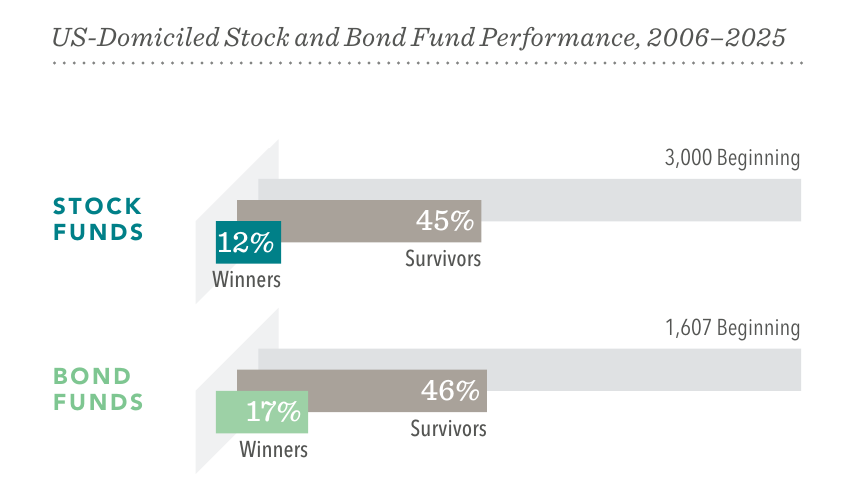
In fact, only 12% of US-domiciled stock funds and 17% of bond funds have survived and outperformed their benchmarks over the past 20 years.
Attempting to anticipate which funds will survive and out perform the markets in the future is pure guesswork.
3. Resist Chasing Past Performance.
It is all too tempting to select funds based on their past returns. Yet, past performance offers little insight into a fund’s future returns.
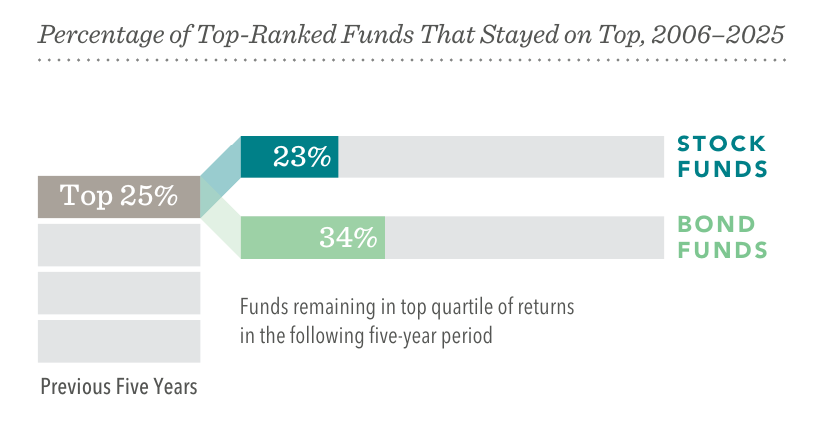
For example, funds in the top 25% of previous five-year returns failed to maintain a top-25% ranking in the following five years. In fact the vast majority did not.
This goes to show that even when funds do out perform the markets in the short/medium term, they typically are unable to maintain due to the added costs and risk active managers take.
4. Let Markets work for you.
The financial markets have rewarded long-term investors.
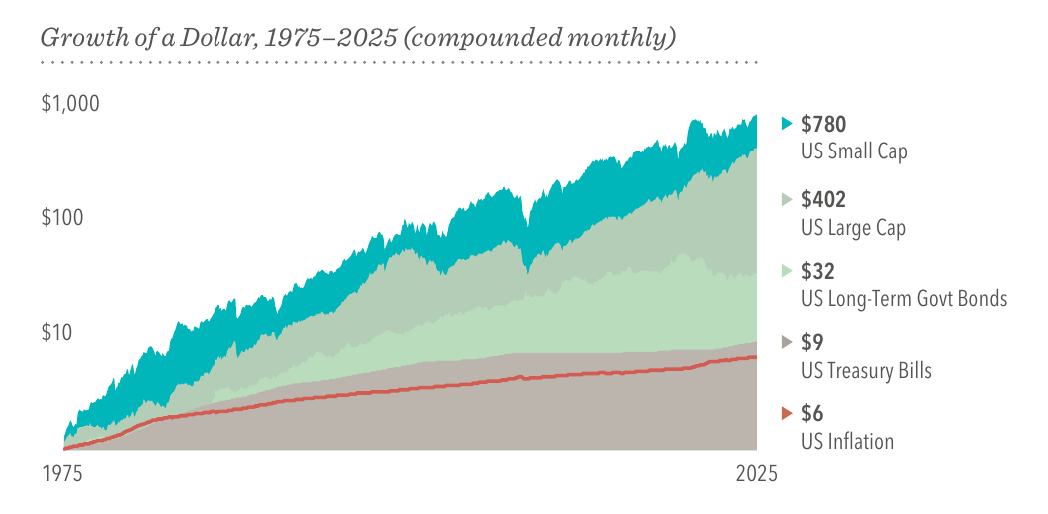
People expect a positive return on the capital they supply, and the stock and bond markets have provided growth of wealth that has more than offset inflation, as this chart of the past 50 years shows.
It is interesting to note that small caps have provided the largest returns over this 40 year period, as is expected from academic research.
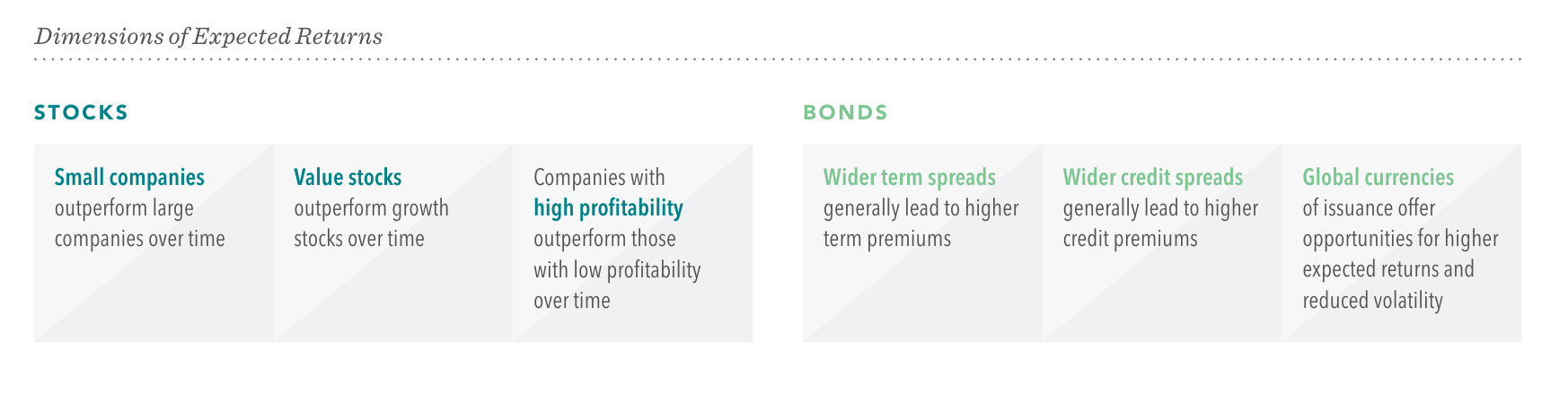
5. Target Higher Returns.
Academic research into decades of stock and bond returns has identified long-term drivers of out-performance. By investing systematically in the areas with higher expected returns, you can aim to beat the market.
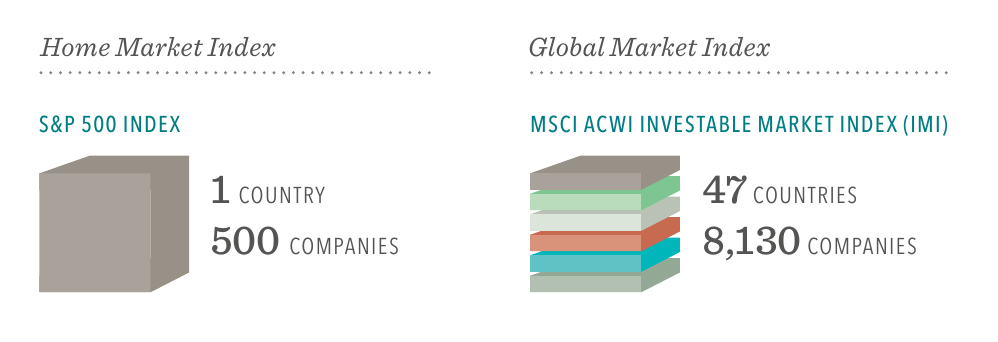
6. Diversify Internationally.
Holding a globally diversified portfolio can broaden your opportunities beyond your home market, putting you in a better position to capture the winners and higher returns wherever they happen.
This also offers protection too. If one country were to suffers a downturn, only a portion of your portfolio would be directly affected.
7. Avoid Market Timing.
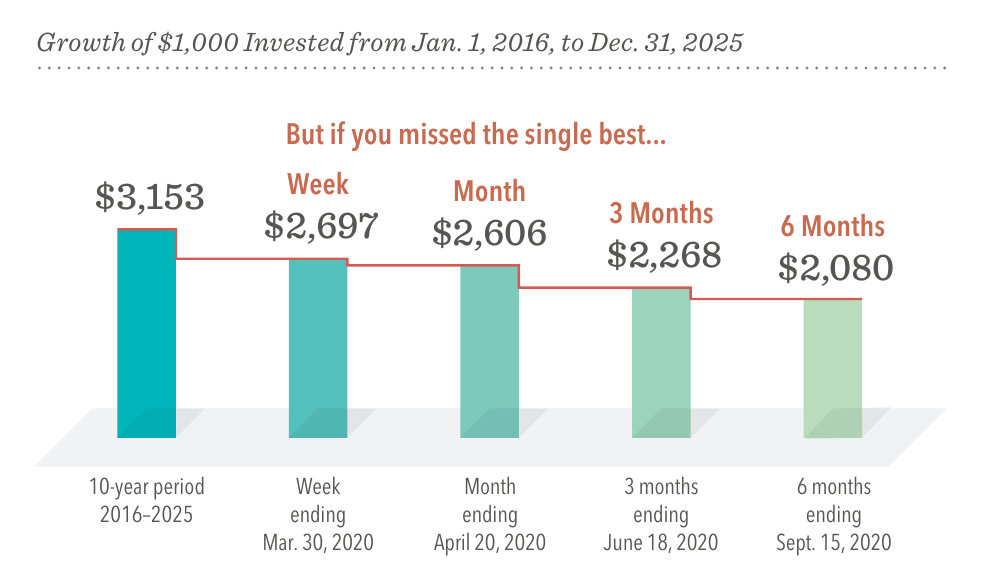
Research has shown there’s no reliable way to time the market.
Targeting the best days to be invested or moving to the sidelines to avoid the worst days simply doesn’t work.
It has also shown the impact of being out of the market even for a short time, as is shown here.
Staying invested helps ensure you’re in position to capture long-term gains, all you need is discipline.
8. Managing Emotions.
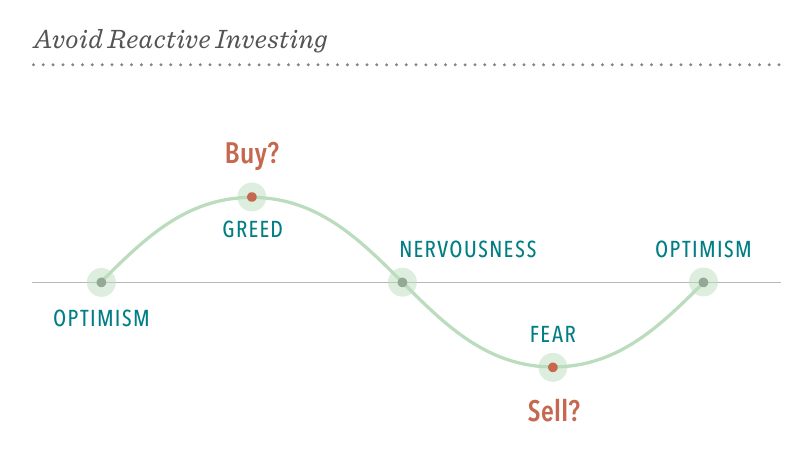
When markets go up and down, many people struggle to separate their emotions from investing. Reacting to current market conditions often leads to making poor investment decisions.
Taking a systematic and disciplined approach to managing portfolios helps avoid this common problem.
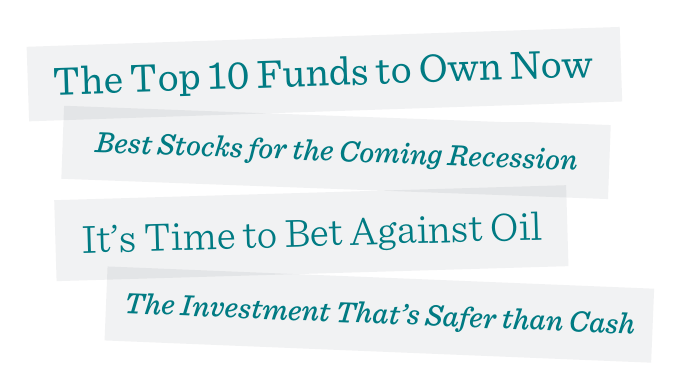
9. Looking Beyond the Headlines.
Daily market news and commentary can challenge even the wisest investors thinking and their investment discipline.
We are inundated with messages that stir anxiety about the future or tempted to chase the latest investment fad. Even if true, the market has already priced these risk/opportunities in to prices (see number 1).
When headlines unsettle you or is suggesting easy ways of beating the market, stop for a moment, consider the source and do yourself a favor: ignore it. It is just noise.
10. Control what you can control.
Work with a qualified financial advisor to stay focused on actions that add value.
While you can’t control which way the market will turn, following time tested principles will lead to a better investment experience.